
Self-Exile and the Limits of Escape
Blind Willow, Sleeping WomanSeveral characters try to escape ordinary life by leaving homes, jobs, or social roles, only to find that inner conflicts travel with them.
increasing Bearing strength in each event
 decreasing
Bearing strength in each eventdecreasingQuitting the Job
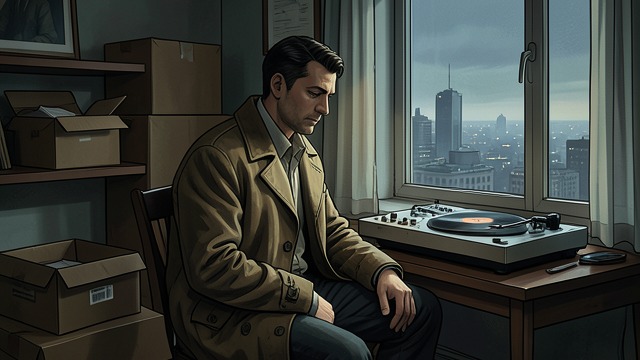
A Life Paused
Work and love end together
The narrator quits an advertising job and breaks up with his girlfriend. His grandmother’s death brings him back to Kobe.
Inertia replaces a plan
Though he intends to return to Tokyo, he remains in his old room, reading and listening to records. The pause creates space for the cousin’s errand and old memories.
Leaving Japan for Greece
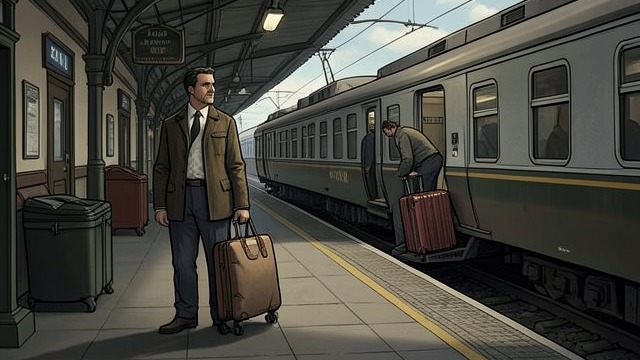
Escape as a Joint Project
A plan formed in crisis
Izumi proposes Greece after both marriages collapse. The narrator agrees and resigns from work.
Discarding becomes easier
He packs one suitcase and feels that once he begins throwing things away, he wants to discard everything. Escape appears to be a complete break from responsibility.
A Writer’s Refusal to Intervene
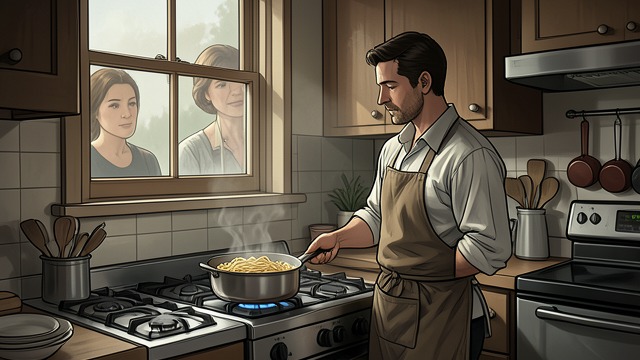
Solitude as a Shield
A call for help
A woman asks the narrator where a former boyfriend is, explaining that he owes her money. The narrator knows the address but refuses to give it.
Spaghetti as an excuse
He pretends he is cooking and cannot talk. The invented meal protects his wish not to become involved, while leaving him with later regret.
The High-Wire Life
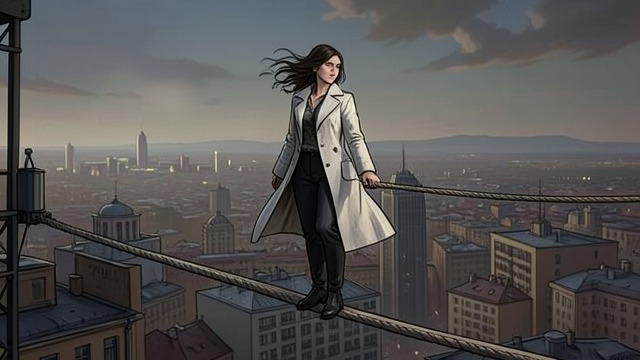
Escape into Concentration
A vocation above the city
Kirie leaves finance for window washing and tightrope performance. High places make her feel peaceful and singular.
No room for another person
Her concentration requires a world organized around her and the wind. Junpei understands that romance cannot draw her back into ordinary life.
A Temporary Greek Peace
Exile’s Limits
Relief from ordinary demands
The narrator and Izumi enjoy a quiet routine without jobs, family obligations, or the need to lie about their meetings.
The old self remains
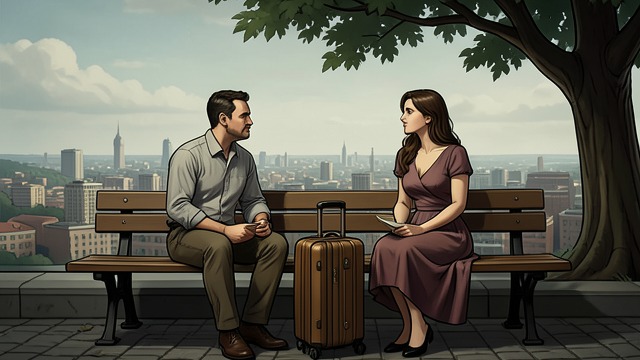
The narrator’s panic over a suitcase and later identity dissolution show that changing countries cannot guarantee an escape from fear or memory.
In the spring before the narrator’s hospital trip
After the affair is exposed
On a winter afternoon in 1971
When Junpei hears Kirie’s radio interview
During the first autumn on the island
